

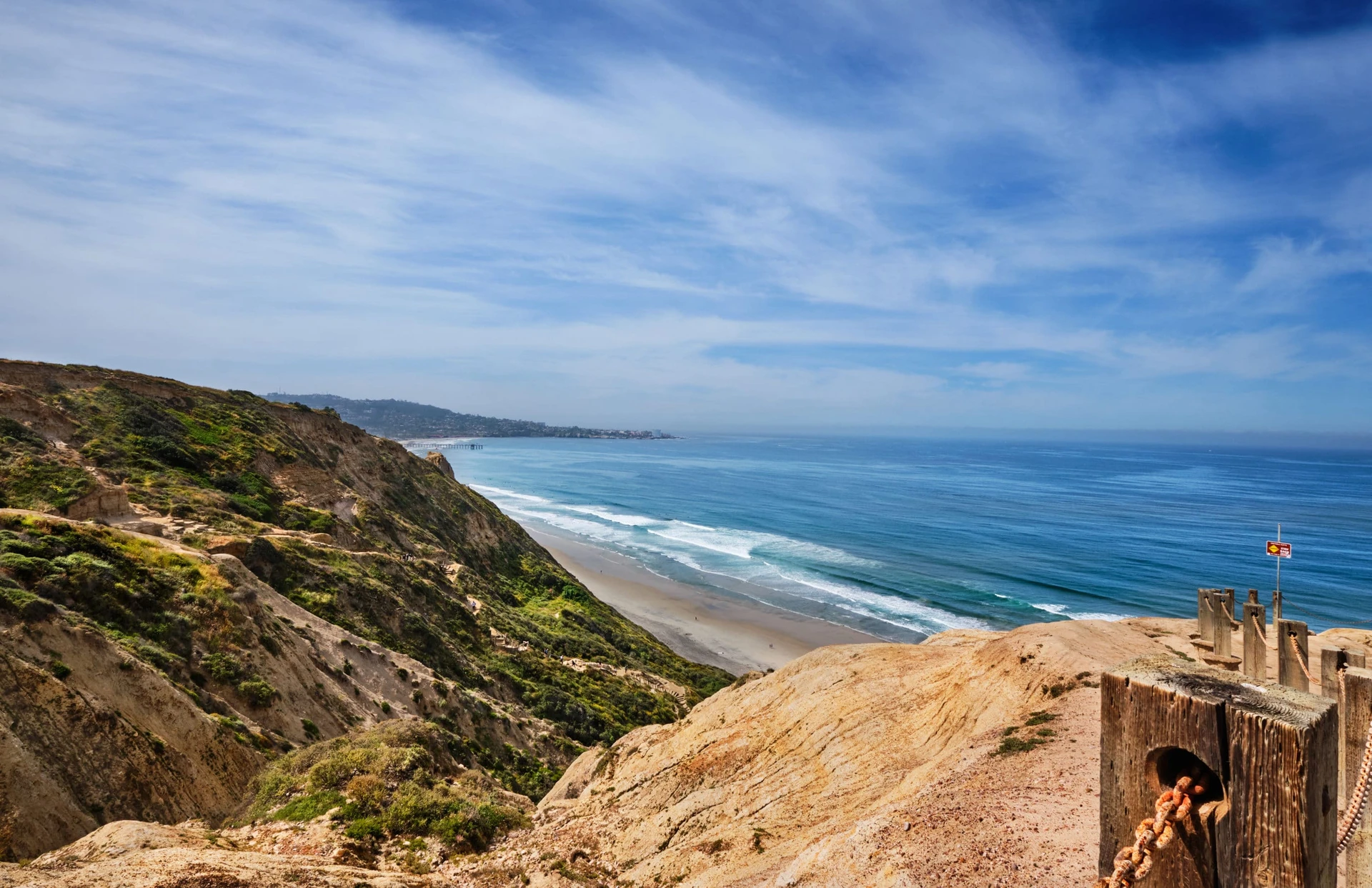

Black’s Beach is a secluded, approximately two-mile-long beach beneath 300-foot sandstone cliffs in La Jolla, San Diego. Officially known as Torrey Pines State Beach (northern portion, managed by California State Parks) and Torrey Pines City Beach (southern portion, managed by the City of San Diego), the beach is named for the Black family, whose horse ranch once overlooked this stretch of coastline.
Black’s Beach is one of the largest clothing-optional beaches in the United States, an advanced surfing destination powered by Scripps Canyon swells, and a notable birdwatching spot. Access requires hiking steep trails or walking from adjacent beaches at low tide, and lifeguards staff a permanent station year-round.
The beach sits just below the Torrey Pines State Natural Reserve and near Torrey Pines Golf Course. It’s one of the most distinctive of the best La Jolla beaches, and here’s what sets it apart.
1. Its Official Name Isn’t Actually Black’s Beach.
While locals and tourists alike typically call this stretch of coastline Black’s Beach, it can actually be referred to by two separate names: Torrey Pines State Beach and Torrey Pines City Beach.
These names reference the split between the northern portion of the beach (managed by the California Department of Parks and Recreation) and the southern portion (managed by the City of San Diego). This jurisdictional distinction matters because it affects everything from nudity policies to lifeguard operations.
2. It Is Popular Despite, Or Perhaps Because Of, Its Lack of Typical Beach Amenities.
Boardwalks, jetties, bathrooms, and parking are not easily accessible from Black’s Beach, but that doesn’t detract from its appeal.
The natural scenery is remarkable for a beach situated so close to the city. Unlike most urban coastal stretches, there are no hotels, condominiums, or other beachfront properties overlooking the sand. Just the Torrey Pines bluffs and the Pacific.
As a frequent visitor explains in a PBS documentary about the beach, “It’s a more spiritual vibe…because of the commitment it takes to get down there. That changes the experience and the feeling you have, ultimately, for that experience.”
3. The Beach’s Unofficial Name Is Controversial, as Is Its History.
The “Black” in Black’s Beach does not reference the color of the sand or the bluffs. The beach is named for the Black family, whose horse ranch overlooked this stretch of coastline from the late 1940s through the 1960s.
William H. Black was born in Paris, Texas, in 1898 and made a fortune in the oil industry. In 1947, he and his wife Ruth purchased approximately 248 acres of undeveloped oceanside land from the estate of Ellen Browning Scripps, transforming it into La Jolla Farms, a working horse ranch that became an affluent residential area. His son, William F. Black, later co-founded the Bank of La Jolla in 1963 and was active in San Diego philanthropy and business until his death in 2019.
La Jolla Farms carries a troubling history of exclusion. Ownership was contingent on membership in Bill Black’s Beach and Bridle Club. As Stephanie Greene explained in a letter to the California Department of Parks and Recreation, membership “was restricted to only those of Caucasian European ancestry, which by definition excluded all Jews and people of color.”
These restrictive covenants were part of a broader pattern in La Jolla. As historian Roger Revelle noted in a 1985 UC San Diego oral history interview, “The Real Estate Brokers Association and their supporters in La Jolla had to make up their minds whether they wanted a university or an anti-Semitic covenant. You couldn’t have both.”
Today, La Jolla residents are well aware of the area’s problematic history regarding race relations. Black’s Beach is a welcome destination for people from all walks of life, though the issues surrounding its name have prompted efforts to rename it entirely.
4. Black’s Beach Has a Long Reputation as a Clothing-Optional Beach
Some of the controversy behind Black’s Beach relates to its history as a nudist destination. The City of San Diego briefly designated a legal clothing-optional zone in 1974 before rescinding it amid regulatory disputes.
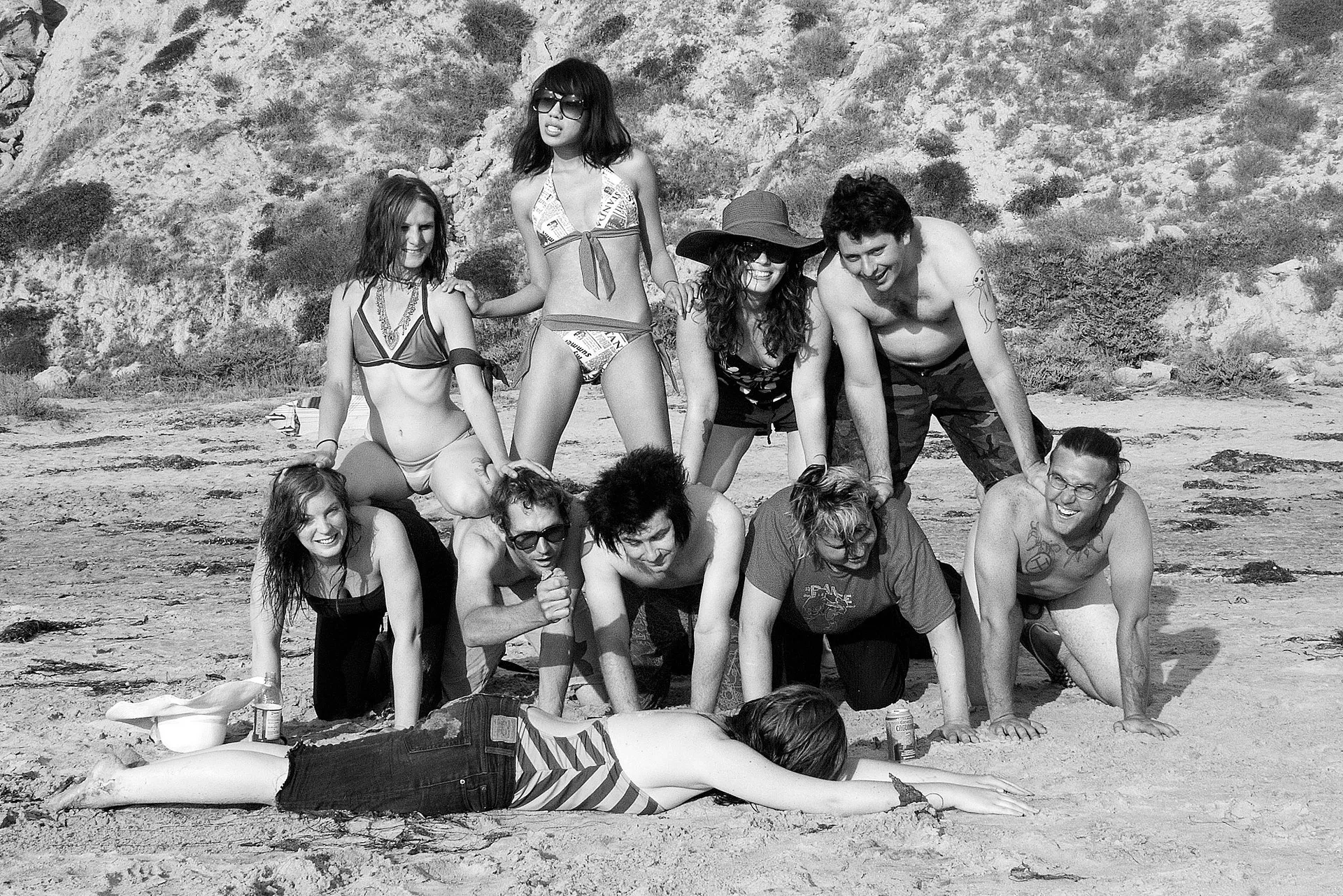
Today, the distinction falls along jurisdictional lines. The northern portion of the beach, managed by California State Parks, remains a de facto clothing-optional area and is one of the largest nude beaches in the United States. Nudity is prohibited on the southern portion, which is managed by the City of San Diego.
The clothing-optional area begins approximately half a mile north of the Salk Canyon Road access point and extends north past the Gliderport trail.
The beach’s reputation as a nudist destination doesn’t bother most visitors, but the possibility of encountering nudity is worth considering before visiting. That said, the beach is rarely crowded, and it’s entirely possible to visit without seeing anyone at all.
5. The Most Popular — And Most Dangerous — Route Involves the Gliderport Trail
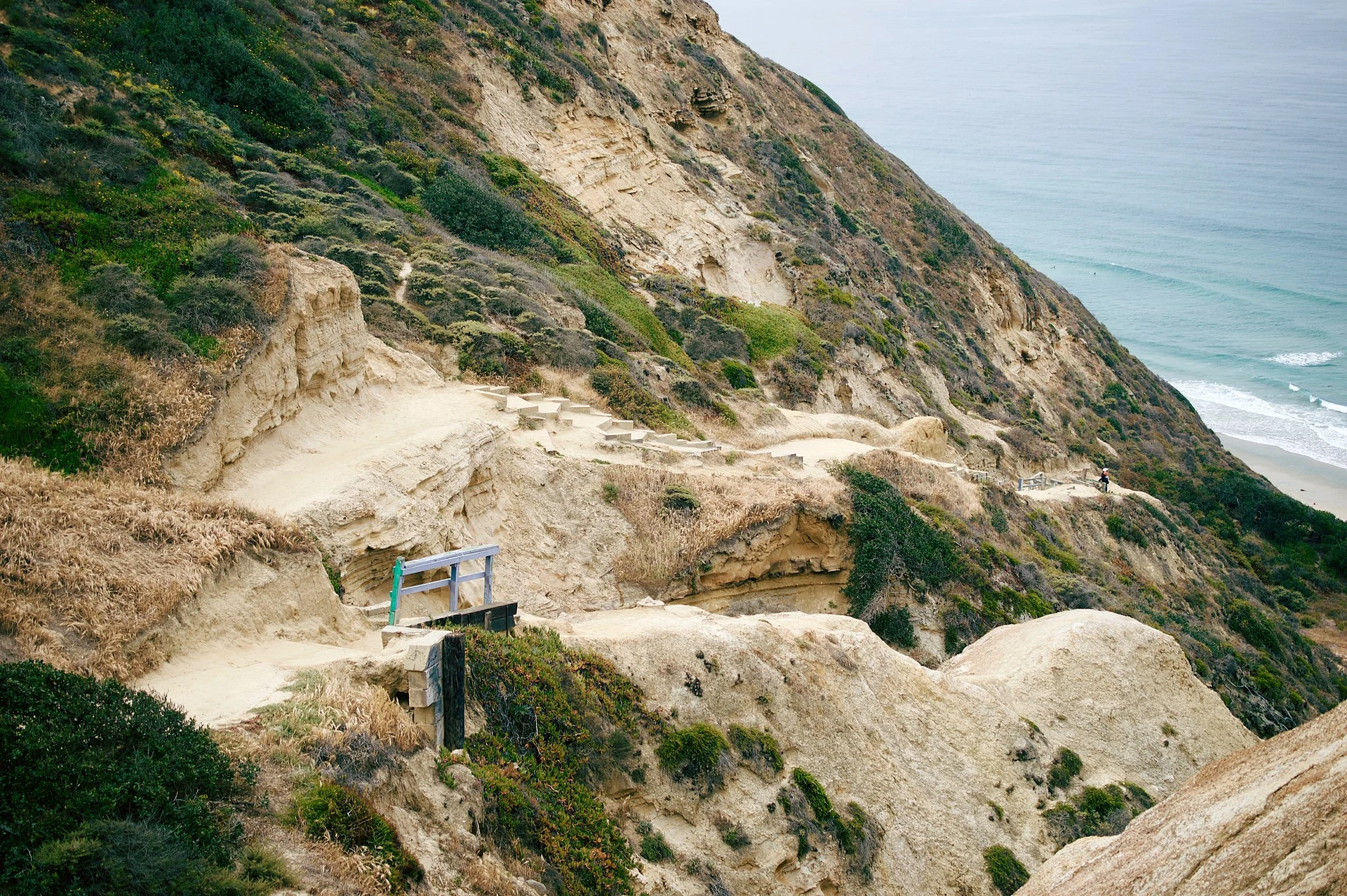
Black’s Beach is accessible via four routes, each involving either a steep hike or a longer tide-dependent walk. Many visitors use the trail from the Torrey Pines Gliderport, which descends approximately 300 feet down steep, unstable terrain.
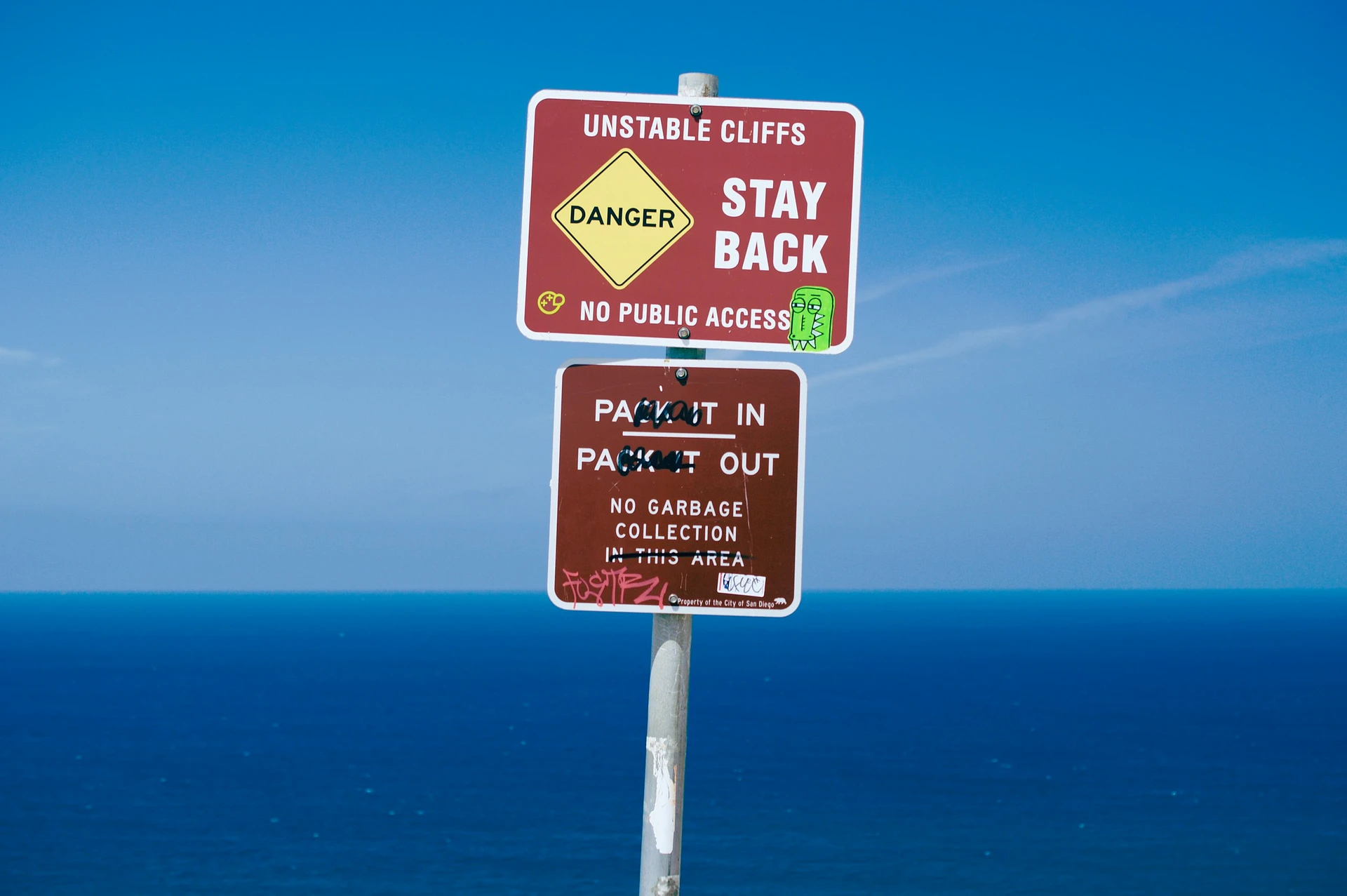
The trail is rugged, and I don’t recommend this route. The City of San Diego posts a “do not use” sign at this access point due to the well-documented instability of the Torrey Pines cliffs. If you are determined to tackle it, wear sturdy hiking boots with good grip and do not attempt it after rainfall, as the trail becomes slippery and dangerous.
Recent cliff collapses underscore the risk. In January 2023, a massive bluff collapse measuring approximately 250 feet wide sent debris across the beach and temporarily split it in two. Geologists called it the most significant failure in 40 years. Another significant collapse occurred in August 2024. Geologists warn that additional collapses are possible, particularly after heavy rain and during winter high tides when less sand protects the cliff base. Always stay well clear of the bluffs when on the beach.
You’ll find free parking in the large dirt lot at Torrey Pines Gliderport, where you’re also likely to see hang gliders and paragliders launching above the coastline.
Easier, safer, and less strenuous routes also lead to Black’s Beach at low tide. Use a tide chart to plan around tidal conditions, as the flat routes are often inaccessible during high tide. Options include:
- Walk from the Torrey Pines State Beach parking lot. Head south along the sand for approximately two miles. The parking lot is at the base of Torrey Pines State Natural Reserve and costs $10–$25 per vehicle; free parking is available along North Torrey Pines Road. This route is blocked during high tide.
- Hike from the mesa at Torrey Pines State Natural Reserve. Clearly marked trails lead from the top of the reserve down to the beach.
- Walk north from La Jolla Shores Beach. Head past Scripps Pier and continue along the sand for approximately three miles. This route is also tide-dependent.
6. Access by Road Is Available to a Select Few People.
While most visitors walk to Black’s Beach, road access is available via a paved route near the intersection of La Jolla Farms Road and Blackgold Road.
The University of California, San Diego controls vehicle access down this road, but pedestrian access is unrestricted. You’ll pass the architecturally distinctive Mushroom House on your way down, which is a popular photo spot. Weekday parking in the area is limited to two hours.
For those with vehicle access, the gate requires a key that has been the subject of considerable speculation. Many have referred to the Black’s Beach gate key as “the most valuable surf key in the U.S.,” with people offering substantial sums to obtain one. Surfline references the road to Black’s Beach as the preferred option for “squeamish surfers.”
One reliable way to get the key is to purchase a property in the La Jolla Farms community, which will run into the multiple millions.
7. The Beach Is a Birder’s Paradise.
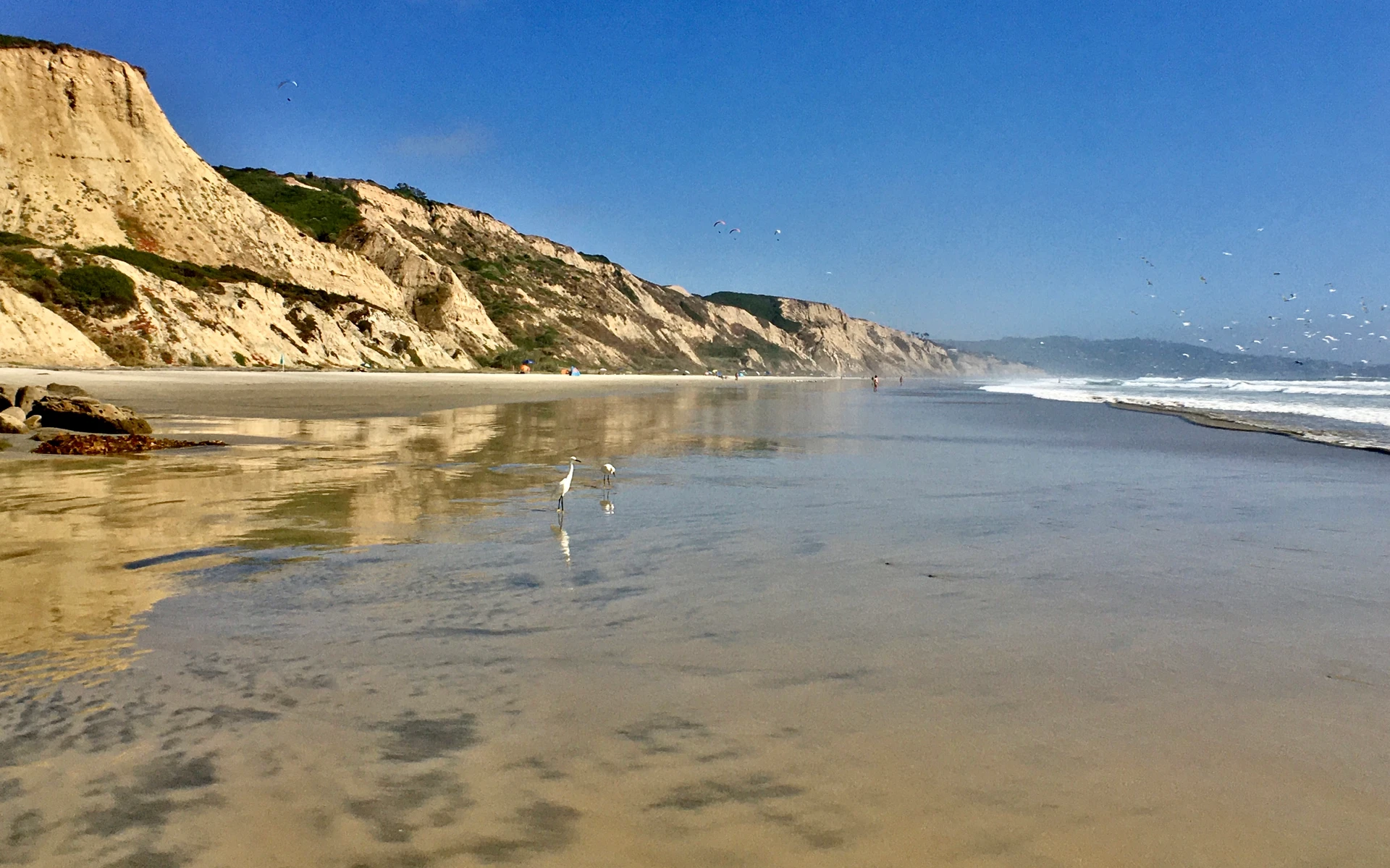
The natural habitat at Black’s Beach attracts a wide variety of bird species, making it a destination for serious birders. In the PBS documentary about the beach, one dedicated birder describes spending 7 days a week documenting peregrine falcons, tracking their movements for up to 10 hours a day.
Peregrine falcons are one of the more dramatic species found here, but commonly spotted birds also include red-tailed hawks, cormorants, blue herons, whimbrels, and sanderlings.
8. Black’s Beach Is One of Southern California’s Most Powerful Surf Breaks
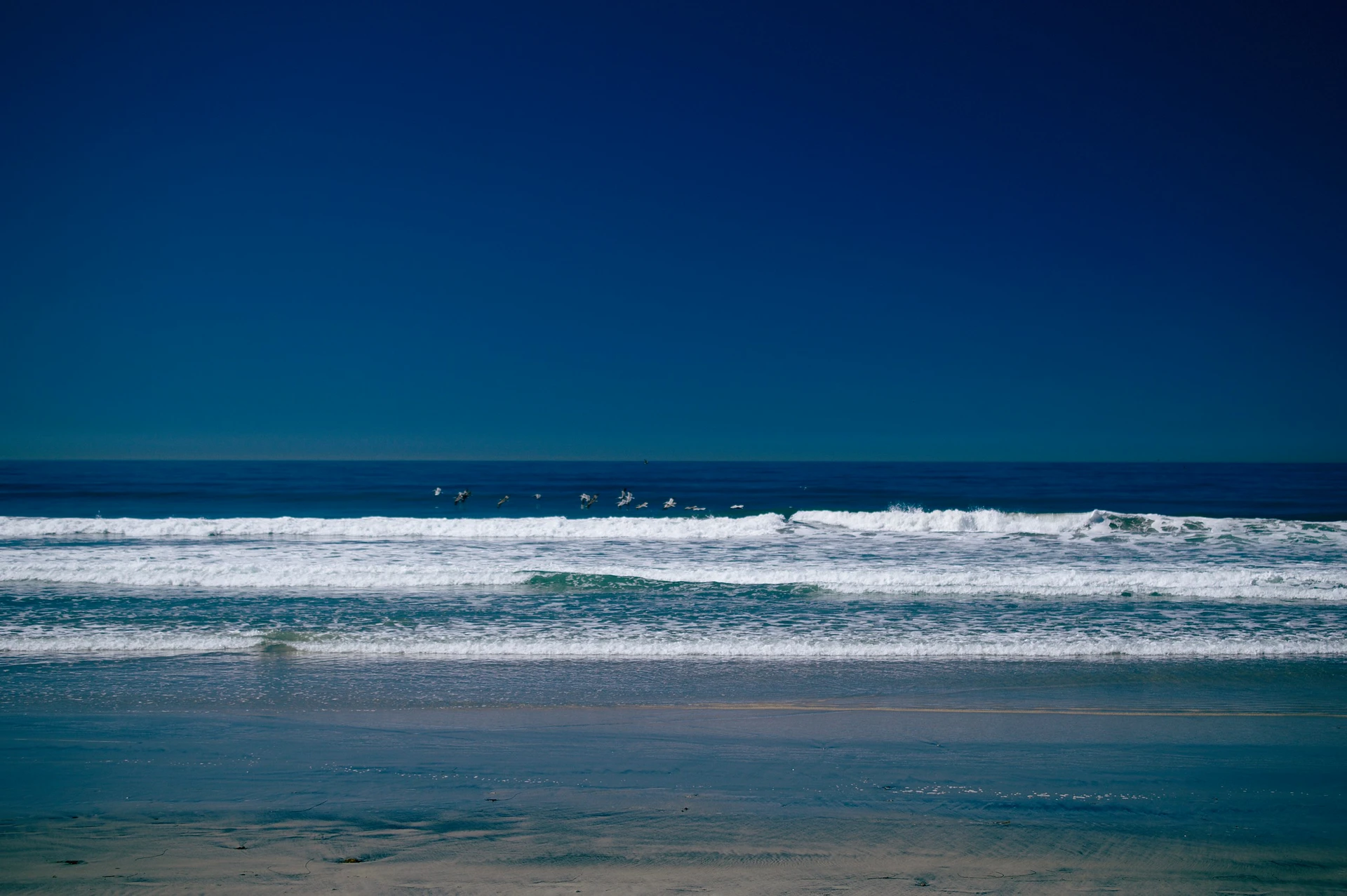
Black’s Beach is widely regarded as one of the most powerful surf breaks in Southern California. The waves gain their intensity from Scripps Canyon, an underwater canyon just offshore in the San Diego–La Jolla Underwater Park that focuses and amplifies incoming swells.
UCSD students and alumni have long flocked to the southern end of the beach. As an alumna, I look back at those excursions fondly. (I never surfed here, but I would go to enjoy the beach and hang out with friends.)
Surfline highlights “three main peaks, shifting phantom peaks, and sneaky insiders that work according to conditions.”
A common misconception is that the canyon directly creates the waves. As oceanography expert Kai Hally-Rosendahl has explained, Scripps Canyon is actually “responsible for the small waves shoreward of the canyon head, and the larger waves north of the canyon at Black’s.”
The powerful swells, fast-breaking waves, and strong currents here are not suitable for novice surfers. Two significant riptides typically form, one on the north peak and another near the southern access road, though rip currents can develop anywhere along the beach and become especially dangerous during large winter swells.
9. San Diego Lifeguards Patrol From a Permanent Station.
Black’s Beach is one of nine beaches with permanent lifeguard stations patrolled by the San Diego Lifeguard Service. Lifeguards are typically on duty from approximately 9 a.m. to dusk, year-round.
Despite the permanent station, visitors without significant ocean experience should exercise caution. The riptide from Scripps Canyon can be challenging to overcome, and lifeguards frequently perform rescues, both in the water and on the cliffs above. Only strong, experienced swimmers should enter the water, and everyone should remain within sight of a lifeguard.
Stingrays can also be present along the shoreline when the water temperature is above 50 degrees. Shuffle your feet as you enter the water to avoid stepping on one.
If no lifeguard is on duty, dial 911. There is also a yellow emergency call box in the parking lot at the bottom of the southern access road.
FAQs About Black’s Beach in La Jolla
From surfing to birding to simply sitting on a quiet stretch of sand beneath dramatic cliffs, there is something for everyone at Black’s Beach in La Jolla. This hidden gem is worth the effort for those looking for a secluded, undeveloped beach experience, and it earns its place among the best San Diego beaches. Just plan your access route carefully and respect the ocean conditions.








Thank you for sharing this information with us this is really helpful, I appreciate your efforts in gathering data.
AnimationsNews